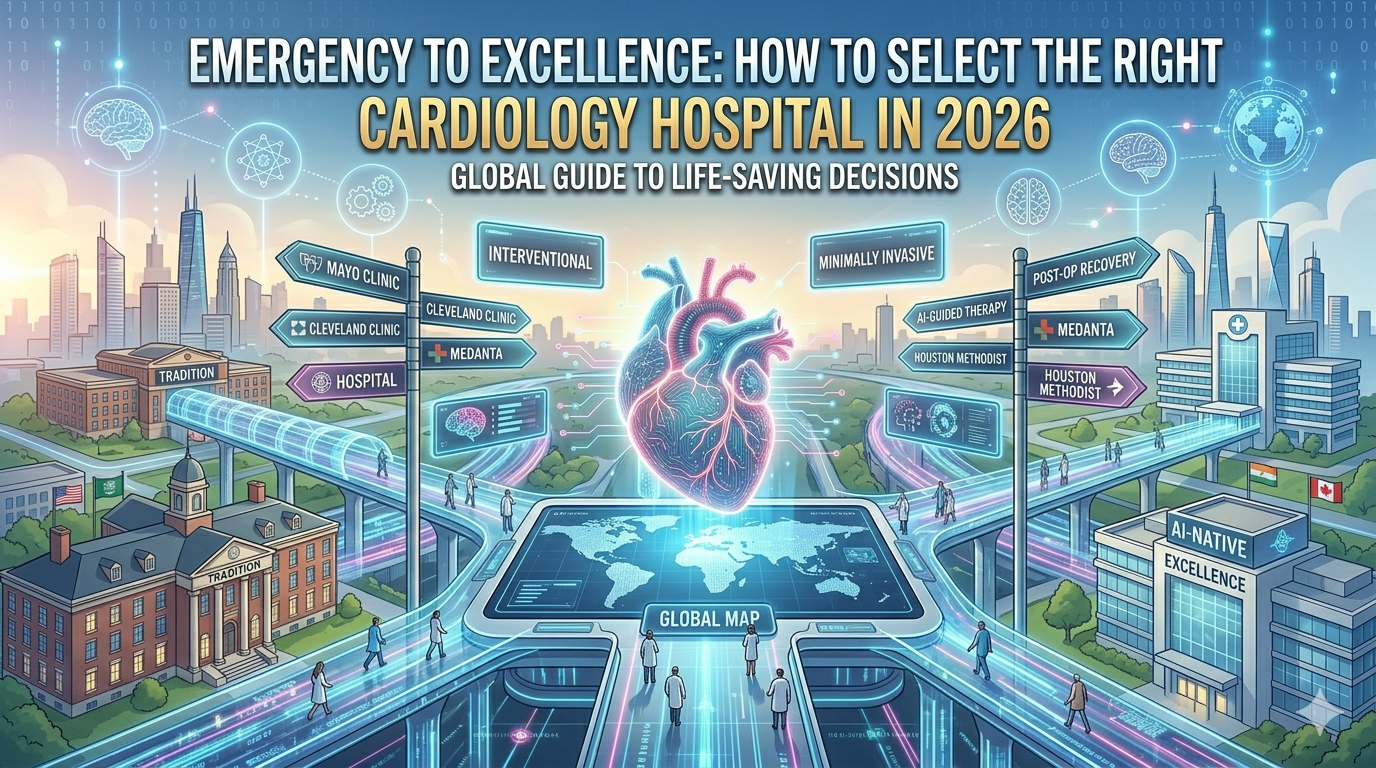
Emergency to Excellence: How to Select the Right Cardiology Hospital in 2026 : Heart disease continues to be one of the most serious health concerns across the world. In many situations, especially during heart attacks or severe cardiac complications, every second matters. Quick access to the right cardiology hospital can mean the difference between life and death. In 2026, the healthcare industry has made tremendous advancements in cardiac treatment, technology, and patient care. However, selecting the right cardiology hospital still requires careful consideration.
From emergency response capabilities to advanced treatment options, a high-quality cardiology hospital must offer a combination of expertise, technology, and patient-focused care. Understanding what to look for can help individuals and families make informed decisions when it comes to protecting heart health.
The Growing Importance of Specialized Cardiac Hospitals
Modern cardiology has evolved significantly over the past few years. Hospitals now offer specialized cardiac units dedicated entirely to diagnosing, treating, and preventing heart-related conditions. These facilities are staffed by experienced cardiologists, cardiac surgeons, nurses, and rehabilitation experts who work together to provide comprehensive care.
Specialized cardiology hospitals often handle a large number of cardiac cases each year. This experience helps medical teams develop refined procedures and improve treatment outcomes. As a result, patients treated at high-volume cardiac centers often experience better recovery rates and fewer complications.
Rapid Emergency Response
One of the most critical factors when choosing a cardiology hospital is its ability to handle emergencies quickly. Heart attacks, severe chest pain, and sudden cardiac arrest require immediate medical attention.
Leading cardiac hospitals maintain 24-hour emergency departments equipped with advanced life-saving equipment. These facilities often have dedicated cardiac emergency teams that are trained to respond rapidly to heart-related crises.
Many top hospitals also maintain specialized cardiac catheterization laboratories that allow doctors to quickly perform procedures such as angioplasty or stent placement. The faster blocked arteries can be opened, the greater the chances of preventing permanent heart damage.
Advanced Diagnostic Capabilities
Accurate diagnosis plays a crucial role in effective heart treatment. In 2026, the best cardiology hospitals are equipped with modern diagnostic technologies that allow doctors to detect heart problems early and plan appropriate treatment.
Common diagnostic tools include echocardiograms, cardiac CT scans, MRI imaging, and stress tests. These technologies provide detailed images of the heart’s structure and function, helping doctors identify issues such as blocked arteries, valve disorders, or abnormal heart rhythms.
Hospitals that invest in advanced diagnostic systems can often detect problems earlier, which leads to more effective treatment and better long-term outcomes.
Access to Modern Treatment Options
Another important factor in selecting the right cardiology hospital is the range of treatments available. Leading cardiac centers offer a wide variety of procedures, from minimally invasive interventions to complex heart surgeries.
Minimally invasive procedures, such as catheter-based treatments, have become increasingly common in modern cardiology. These techniques allow doctors to treat heart conditions through small incisions or blood vessels, reducing recovery time and minimizing surgical risks.
Some hospitals also specialize in advanced procedures such as heart valve repair, coronary artery bypass surgery, and treatments for heart rhythm disorders. A hospital that offers a full range of cardiac services ensures that patients receive the most appropriate treatment for their condition.
Expertise of the Medical Team
The experience and qualifications of the medical team are among the most important factors to consider when selecting a cardiology hospital. Highly trained cardiologists and cardiac surgeons bring valuable expertise to complex procedures.
Patients should look for hospitals that employ specialists in various areas of cardiology, including interventional cardiology, electrophysiology, heart failure management, and pediatric cardiology.
A multidisciplinary team approach often produces the best results. When cardiologists, surgeons, nurses, nutritionists, and rehabilitation specialists collaborate, patients receive well-rounded and personalized care.
Cardiac Rehabilitation and Long-Term Care
Heart treatment does not end after surgery or hospitalization. Recovery and long-term heart health require ongoing care and lifestyle adjustments.
Many top cardiology hospitals provide cardiac rehabilitation programs designed to help patients regain strength and improve cardiovascular health. These programs often include supervised exercise sessions, nutritional guidance, stress management training, and regular health monitoring.
Cardiac rehabilitation plays a crucial role in preventing future heart problems and improving quality of life after treatment.
The Role of Technology in Cardiology
Technology is transforming the way cardiology hospitals diagnose and treat heart disease. Artificial intelligence systems are now used to analyze medical images and assist doctors in detecting abnormalities more accurately.
Wearable health devices, such as smart heart monitors, allow patients to track their heart activity in real time. Doctors can review this data remotely and identify potential issues before they become serious.
Telemedicine services are also becoming more common in cardiology care. Patients can consult with specialists online, receive follow-up care, and monitor their recovery without frequent hospital visits.
Evaluating Hospital Reputation and Patient Outcomes
Before choosing a cardiology hospital, patients should research its reputation and treatment success rates. Hospitals with strong patient outcomes, positive reviews, and recognized accreditation standards are generally more reliable.
Recommendations from primary care physicians and healthcare professionals can also provide valuable insights. Family members or friends who have received cardiac treatment may also share helpful experiences.
Conclusion
Choosing the right cardiology hospital in 2026 involves more than simply selecting the nearest facility. Patients must consider emergency response capabilities, medical expertise, advanced technology, and long-term care programs.
The best cardiology hospitals combine rapid emergency treatment with cutting-edge technology and experienced medical professionals. By carefully evaluating available options, patients can ensure they receive the highest level of heart care when it matters most.
In critical heart situations, quick decisions and quality treatment can save lives. Selecting the right cardiology hospital today can lead to better health outcomes and a stronger, healthier future. ❤️🏥